How a solo god rock base in Rust survived a 1000 player wipe in 2026
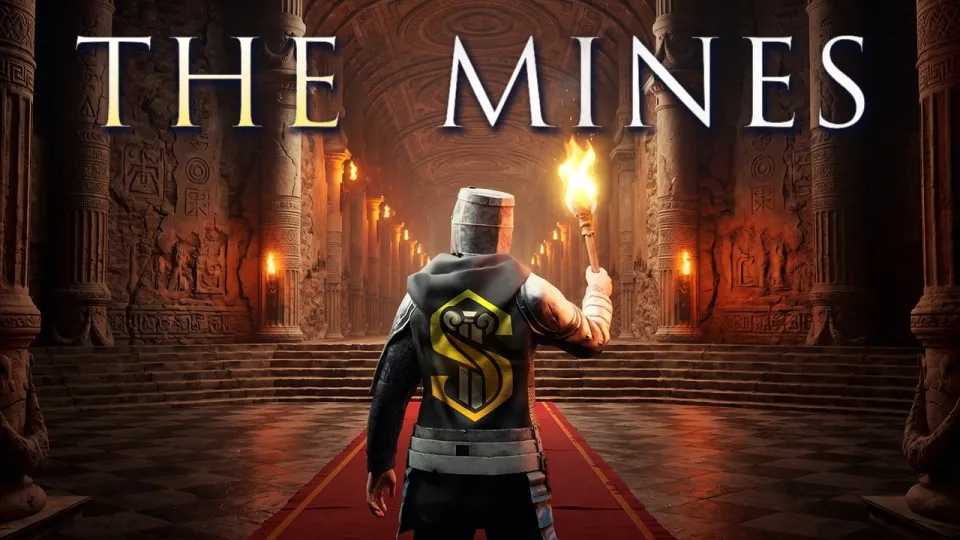
Video: I Survived in an ANCIENT FORTIFIED god rock base in Rust..
You can order the same kind of articles for your own video to boost it on YouTube and Google. Just message the Telegram bot @sat_sit_bot. The bot writes and publishes the articles itself (with your YouTube video embedded) on popular topical websites (no ads). Free trial — 50 articles.
· based on the channel Solutize
A god rock base in Rust is a structure built into a rock formation that cannot be destroyed, so the base's survival depends on hiding the build, controlling the approach and never exposing a soft side. In this solo wipe, creator Solutize takes that idea onto a server with 1000 players and turns it into an ancient fortified stronghold, which means the difficulty comes less from combat and more from planning, timing and resource discipline. The full recording sessions behind the run are streamed live at Solutize's Twitch channel, where you can watch the build happen in real time.
What a god rock base actually is in Rust
A god rock base is a player-made structure that uses an indestructible rock as part of its walls, so raiders cannot simply blow through the exterior. The rock does the job of reinforced walls for free, and the builder only has to seal the gaps with doors, hatches and turrets. On a high-population server the value is obvious: a clan that would normally spend dozens of rockets on a stone or metal shell has to find another way in, and most of them will not bother.
The catch is that god rocks are well known. Experienced players check the same formations, so a base that looks too clean or too visible gets scouted within hours. That is why the ancient fortified theme matters: the structure is dressed to look like part of the landscape, with layered stone, narrow entrances and a silhouette that reads as terrain rather than as a player compound.
The 1000 player problem and why solo changes everything
On a server with 1000 players, the map is crowded and every resource node is contested, so a solo player cannot compete on volume and has to compete on efficiency. Solutize's approach in this run is strategic rather than aggressive: pick a location, secure it fast, and avoid drawing attention while the base is still a shell.
Solo survival on a wipe like this comes down to a few repeatable rules:
- Farm in short bursts and bank loot often, because a full inventory is a single death away from nothing.
- Build the core first, then the decoration, so the base is functional even if the wipe turns hostile early.
- Keep the entrance hidden from the main approach and avoid lighting the exterior at night.
- Use the rock itself as the primary wall and spend metal only where a raider could actually reach.
- Trade or avoid fights instead of chasing them, since every fight is a chance to lose the kit that built the base.
That last point is where most solo runs fail. A god rock base protects the loot, not the player, and the player is the only thing that can lose progress.
Building an ancient fortified look without wasting resources
The ancient fortified theme is a building challenge as much as a defensive one. Rust's building pieces are modular, so a convincing ruin comes from layering stone foundations, half-walls, and uneven roof sections so the structure blends into the rock instead of sitting on top of it. Wooden barricades, small stashes and low walls around the perimeter sell the look and also slow down anyone trying to walk up quietly.
The practical rule is that decoration never replaces defense. Every decorative wall should still block a line of sight, and every doorway should still lead to a door. A base that looks ancient but has a single wooden door at the end of a corridor is a gift to any raider with a satchel, no matter how good the exterior looks.
Raid defense and the mistakes that end solo runs
Raid defense in a god rock base is mostly about information. Raiders need to know where the entrance is, how many doors stand between them and the loot, and whether the owner is online. A solo player wins by denying all three: no visible entrance from the road, no predictable door count, and no routine that tells the server when the base is empty.
Common failure points include:
- Leaving the outer gate open while farming, which reveals the path inside.
- Building a straight corridor from the entrance to the loot room, which makes every door count.
- Stocking the base with explosives and then leaving for a long farm run.
- Ignoring the roof, which is often the weakest point of a rock build.
- Overbuilding early, when the same resources would buy guns and a workbench.
A god rock base buys time, and time is what a solo player needs to reach a workbench, a tier-two kit and a stable routine.
Questions viewers keep asking about solo wipes
The comments under this style of Rust video tend to repeat a few themes. Viewers ask why a creator with strong production values is not bigger yet, which reflects how much of Rust's audience discovers creators through recommendations rather than search. Others ask for duo or team wipes, pairing the solo format with a second perspective. A third group, often players who have never installed the game, watch these runs as relaxed long-form entertainment and want to know whether the game is approachable at all.
The honest answer to all three is that solo Rust is a different genre from squad Rust. There is no one to cover a farm run, no one to defend while the owner sleeps, and no one to blame when a raid goes wrong. That isolation is exactly the appeal of the format, and it is why solo wipe videos remain the most requested content in the community.
Where to find the streams and community links
All official links from the video are collected here:
- Live recording sessions and streams: https://www.twitch.tv/solutized
- Main Discord community: https://discord.gg/57vX6Yvga6
- Second Discord invite listed in the description: https://discord.gg/F9kEQWZjnd
Final thoughts on the ancient god rock experiment
A solo god rock base on a 1000 player server is a test of patience more than aim, and this run shows why the format keeps working: the rock provides the armor, and the player provides the discipline. The ancient fortified theme is not just cosmetic, because a base that blends into the landscape gets scouted less often and raided even less. Solutize's breakdown of the wipe, published on 1 October 2026, is a useful watch for anyone planning a solo start on a crowded server. Follow the run live on Twitch if you want to see the next build from the first stone to the last turret.
Key takeaways
- Solutize built the base solo on a Rust server with 1000 players on it.
- The build is a god rock base, a structure fused into an unraidable rock formation.
- The design is themed as an ancient fortified stronghold rather than a modern compound.
- Solutize streams the recording sessions live on Twitch at twitch.tv/solutized.
- The video was published on 1 October 2026 and focuses on raid defense and survival.
Source: I Survived in an ANCIENT FORTIFIED god rock base in Rust.. · Markdown version
Questions & answers
Is a god rock base actually unraidable in Rust?
No base is truly unraidable, but a god rock base removes the exterior walls from the equation because the rock itself cannot be destroyed. Raiders have to find the player-built seams, doors and roof, which usually costs more explosives than the loot is worth. On a crowded server that math alone discourages most attempts.
How hard is solo Rust on a 1000 player server?
It is significantly harder than squad play because every farm run, defense and rebuild falls on one player. The main adjustments are shorter farming trips, earlier workbench progress and avoiding fights that do not protect the base. Location choice matters more than combat skill in the first days of a wipe.
Why do Rust creators build themed bases instead of plain compounds?
A themed base blends into the environment and gets scouted less often, which is a real defensive advantage. It also gives viewers a reason to watch the build phase rather than only the raids. The rule is that decoration must never replace a door or a wall that actually blocks a raider.
Where can I watch the full sessions behind these Rust videos?
The recording sessions are streamed live on Twitch at https://www.twitch.tv/solutized, and the community gathers on the Discord servers linked in the video description. Watching live shows the failed attempts and rebuilds that edited videos usually cut.